


New

Zoom the image with the mouse
Armeria pseudoarmeria - GREAT THRIFT
Product Code:
ARM-PSE
Shipping:
Calculated at Checkout
$7.99
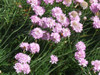
Smaller plant with lanceolate grassy leaves and globular clusters of pink flowers.
Heat, salt spray and rocky soils. Suitable for in drained soils
Blooming time: June to July/August
Size: 0.75' tall x 0.5'-0.75' wide
USDA zones: 6 to 7/8
Culture: full sun, drained soils - gravelly, rocky, sandy soils, average soil amended with sand or gravel (or both). Drainage is essential! Too moist and too rich soil leads to crow rotting.
Moisture Needs: medium-dry, dry
Origin: West Central Portugal - can be found on coastal rocky slopes, seaside cliffs, salt marshes
Deer/rabbit resistant: yes / yes
Attracts Butterflies or Pollinators: butterflies, bees, hover flies
Attracts Hummingbirds: no
Pot Size: 3.5" perennial pot (1.22 pt/580 ml)
Picture copyright: Jerzy Opioła, Wikimedia Commons
Plant combinations: For the rock garden, crevice gardens, or throughs. Best combined with smaller plants – from native choose shorter Anemone patens, Antennaria, small Campanula, short Coreopsis, Cunila origanoides, Dalea, shorter Echinacea, shorter Gaillardia, Gaura (shorter cultivars), Penstemons, shorter cultivars of Stokesia, native grasses like Festuca, Koeleria cristata, Sporobolus heterolepis 'Tara' (or non-native Sesleria).
And non-native perennials like Achillea, summer blooming Allium, shorter Aquilegia, Armeria, Campanula, Cerastium, Delosperma, Dianthus, Gearanium dalmaticum, G. cinereum, Gypsohila, Iris (dwarf and miniature bearded Iris), shorter Lavandula, shorter Nepeta, Origanum, short Platycodon, Satureja, Salvia, Sedum, Sempervivum, low Stachys, Scabiosa columbaria, Thymus, lower Veronica and many spring bulbs.
Armeria pseudoarmeria - GREAT THRIFT
$7.99
Details
Smaller plant with lanceolate grassy leaves and globular clusters of pink flowers.
Heat, salt spray and rocky soils. Suitable for in drained soils
Blooming time: June to July/August
Size: 0.75' tall x 0.5'-0.75' wide
USDA zones: 6 to 7/8
Culture: full sun, drained soils - gravelly, rocky, sandy soils, average soil amended with sand or gravel (or both). Drainage is essential! Too moist and too rich soil leads to crow rotting.
Moisture Needs: medium-dry, dry
Origin: West Central Portugal - can be found on coastal rocky slopes, seaside cliffs, salt marshes
Deer/rabbit resistant: yes / yes
Attracts Butterflies or Pollinators: butterflies, bees, hover flies
Attracts Hummingbirds: no
Pot Size: 3.5" perennial pot (1.22 pt/580 ml)
Picture copyright: Jerzy Opioła, Wikimedia Commons
Plant combinations: For the rock garden, crevice gardens, or throughs. Best combined with smaller plants – from native choose shorter Anemone patens, Antennaria, small Campanula, short Coreopsis, Cunila origanoides, Dalea, shorter Echinacea, shorter Gaillardia, Gaura (shorter cultivars), Penstemons, shorter cultivars of Stokesia, native grasses like Festuca, Koeleria cristata, Sporobolus heterolepis 'Tara' (or non-native Sesleria).
And non-native perennials like Achillea, summer blooming Allium, shorter Aquilegia, Armeria, Campanula, Cerastium, Delosperma, Dianthus, Gearanium dalmaticum, G. cinereum, Gypsohila, Iris (dwarf and miniature bearded Iris), shorter Lavandula, shorter Nepeta, Origanum, short Platycodon, Satureja, Salvia, Sedum, Sempervivum, low Stachys, Scabiosa columbaria, Thymus, lower Veronica and many spring bulbs.

Customer Reviews

Shipped With Care
Secure packaging for safe delivery
Nursery Grown Plants
Healthy, well-rooted perennials
Curated Plant Selection
Reliable performers for real gardens