


Sold out


Zoom the image with the mouse
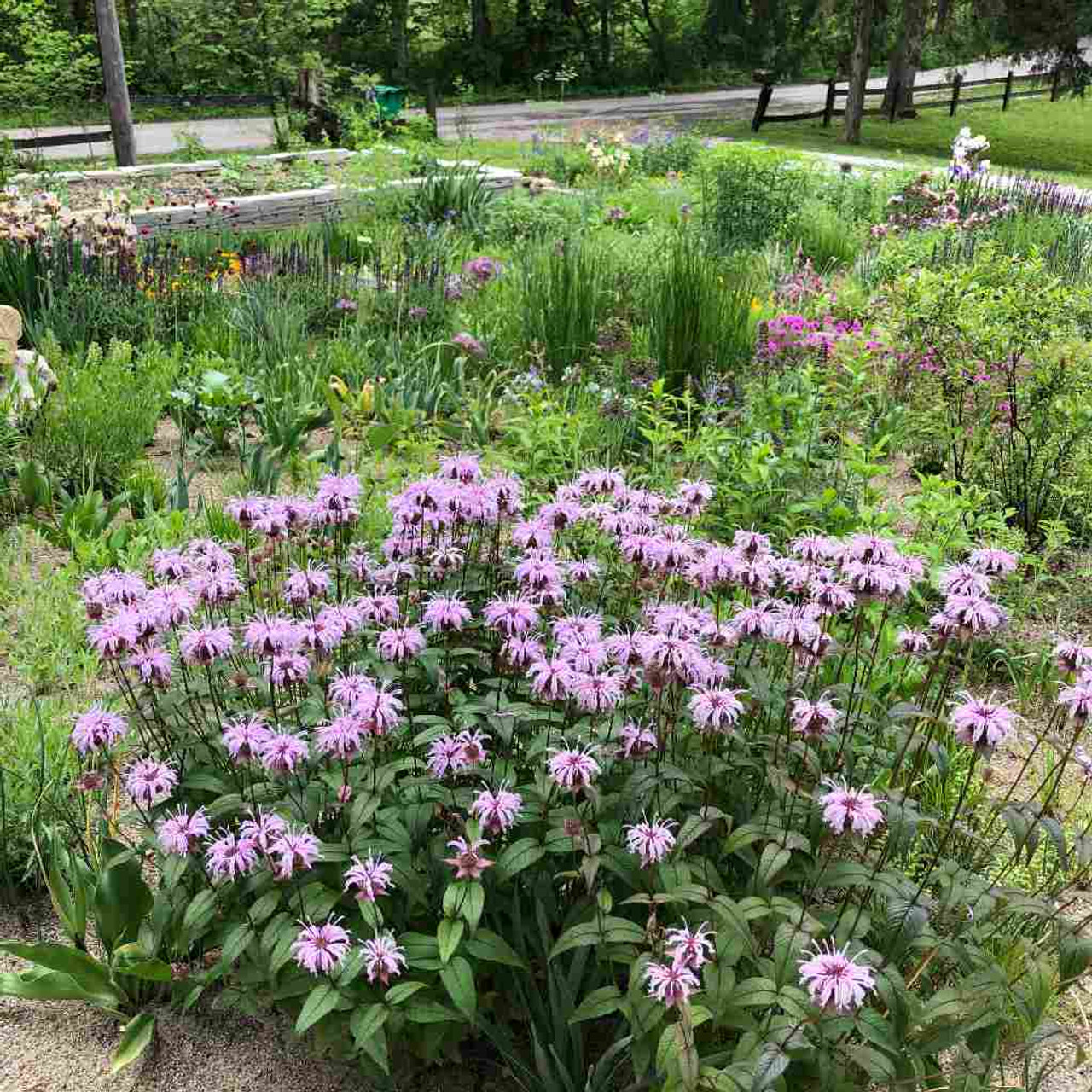
Monarda bradburiana - EASTERN BEEBALM (early flowering & short)
Product Code:
MON-BRA-X
Shipping:
Calculated at Checkout
$8.99
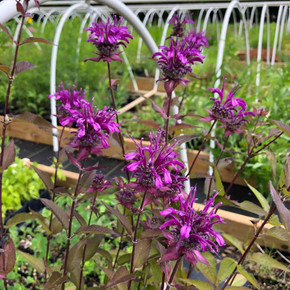
Superb low-growing beebalm with light lavender-pink spotted flowers, mint-scented leaves, and a more compact and smaller habitus than other Monardas.
Very valuable and tough plant - for early blooming (before other taller Monarda), excellent drought and powdery mildew resistance (even in hot and humid climates). Very ornamental round seedheads that persist in great shape till winter.
Often offers nice red fall color. Very deer and rabbit proof.
Blooming Time: May, flowers for 3-4 weeks
Size: 1.5-2’ tall and wide
USDA Zones: 5 to 8
Culture: full sun, half shade, grows well in average soil with, soils with some drainage, rocky, shallow, drier soils. Very drought tolerant.
Moisture Needs: dry, medium-dry, medium
Origin: Native to central and southern United States from Indiana to Alabama and west to Kansas, Arkansas and Texas (with the densest populations in Illinois, Missouri and Arkansas). Naturally grows in drier savannas, rocky upland forests, limestone or sandstone glades, bluffs, drier woodland clearings, roadsides etc.
Deer/Rabbit Resistant: yes / yes
Attracts Butterflies or Pollinators: It is not a pollinator magnet, but offers nectar to long-tongued bees, bumblebees, less so attracts butterflies, skippers, hummingbird moths, and bee flies. Caterpillars of several moths feed on the foliage (also on other species of Monarda), as well as beetles.
Attracts Hummingbirds: yes
Pot Size: 3.5" x 4" perennial pot (1.22 pt/580 ml)
Picture copyright: peganum, Wikipedia Commons
Plant combinations: For sunny flower border, sunny woodland edge, naturalistic gardens, butterfly garden, hummingbird garden, low maintenance garden, deer resistant landscaping, for naturalizing, close to rocks etc. Good perennial company could be these native wildflowers and their cultivars: Amorpha canescens, Asclepias tuberosa, Asclepias verticillata, Aster oblongifolius, Aster laevis, Aster ericoides, Coreopsis, Cunila origanoides, Echinacea purpurea hybrids, Echinacea tennesseensis, Echinacea pallida or angustifolia, Echinacea paradoxa, Euphorbia corollata, Penstemon, Pycnanthemum, Rudbeckia missouriensis, Salvia lyrata, Solidago nemoralis, Sisyrinchium angustifolium and grasses like Boutelloua gracilis, Eragrostis elliotii, Koeleria macrantha or cristata, Muhlenbergia capillaris, Sporobolus heterolepis, and Schizachyrium scoparium.
From non-native perennials, choose Allium 'Millenium', Nepeta, Calamintha nepeta, Iris x germanica, Iris tectorum, Lavandula officinalis, Lavandula x intermedia, Perovskia, Stachys byzantina, Stachys macranthaand and other drought tolerant perennials.
Monarda bradburiana - EASTERN BEEBALM (early flowering & short)
$8.99
Details
Superb low-growing beebalm with light lavender-pink spotted flowers, mint-scented leaves, and a more compact and smaller habitus than other Monardas.
Very valuable and tough plant - for early blooming (before other taller Monarda), excellent drought and powdery mildew resistance (even in hot and humid climates). Very ornamental round seedheads that persist in great shape till winter.
Often offers nice red fall color. Very deer and rabbit proof.
Blooming Time: May, flowers for 3-4 weeks
Size: 1.5-2’ tall and wide
USDA Zones: 5 to 8
Culture: full sun, half shade, grows well in average soil with, soils with some drainage, rocky, shallow, drier soils. Very drought tolerant.
Moisture Needs: dry, medium-dry, medium
Origin: Native to central and southern United States from Indiana to Alabama and west to Kansas, Arkansas and Texas (with the densest populations in Illinois, Missouri and Arkansas). Naturally grows in drier savannas, rocky upland forests, limestone or sandstone glades, bluffs, drier woodland clearings, roadsides etc.
Deer/Rabbit Resistant: yes / yes
Attracts Butterflies or Pollinators: It is not a pollinator magnet, but offers nectar to long-tongued bees, bumblebees, less so attracts butterflies, skippers, hummingbird moths, and bee flies. Caterpillars of several moths feed on the foliage (also on other species of Monarda), as well as beetles.
Attracts Hummingbirds: yes
Pot Size: 3.5" x 4" perennial pot (1.22 pt/580 ml)
Picture copyright: peganum, Wikipedia Commons
Plant combinations: For sunny flower border, sunny woodland edge, naturalistic gardens, butterfly garden, hummingbird garden, low maintenance garden, deer resistant landscaping, for naturalizing, close to rocks etc. Good perennial company could be these native wildflowers and their cultivars: Amorpha canescens, Asclepias tuberosa, Asclepias verticillata, Aster oblongifolius, Aster laevis, Aster ericoides, Coreopsis, Cunila origanoides, Echinacea purpurea hybrids, Echinacea tennesseensis, Echinacea pallida or angustifolia, Echinacea paradoxa, Euphorbia corollata, Penstemon, Pycnanthemum, Rudbeckia missouriensis, Salvia lyrata, Solidago nemoralis, Sisyrinchium angustifolium and grasses like Boutelloua gracilis, Eragrostis elliotii, Koeleria macrantha or cristata, Muhlenbergia capillaris, Sporobolus heterolepis, and Schizachyrium scoparium.
From non-native perennials, choose Allium 'Millenium', Nepeta, Calamintha nepeta, Iris x germanica, Iris tectorum, Lavandula officinalis, Lavandula x intermedia, Perovskia, Stachys byzantina, Stachys macranthaand and other drought tolerant perennials.

.jpg)
Customer Reviews
5 Review
-
Monarda bradburiana healthy
Every plant I've ordered from US Perennials has arrived healthy and well-rooted, ready to prosper. The Monarda bradburiana is no exception. I expect it to do well. I already grow Monarda fistulosa in another part of the same bed. It really brings in the bees and is tough as iron.
-
Good quality
Good quality. Grow well first season.
-
Beautiful!
Healthy, beautiful plants. I love these as do pollinators. They add a nice early bloom to my garden and the whitish-pink really pops at dusk. Highly recommend this one.

Shipped With Care
Secure packaging for safe delivery
Nursery Grown Plants
Healthy, well-rooted perennials
Curated Plant Selection
Reliable performers for real gardens