


Zoom the image with the mouse
Physostegia virginiana 'Variegata' - OBEDIENT PLANT 'VAREGATA'
Product Code:
PHY-VIR-VAR
Shipping:
Calculated at Checkout
$9.99
Spreading cultivar with white variegated leaves.
Flowers still attract pollinators and even hummingbirds!
Blooming Time: early August to September
Size: 4' tall x 3' wide (with more moisture and nutrients even taller)
USDA Zones: 3 to 9
Culture: full sun to part sun are the best (tolerates half shade), very adaptable to variety of soils, average, clay, loam. Adapts to most pH. Too fertile soil can lead to flopping.
Moisture Needs: average (medium) to medium-moist
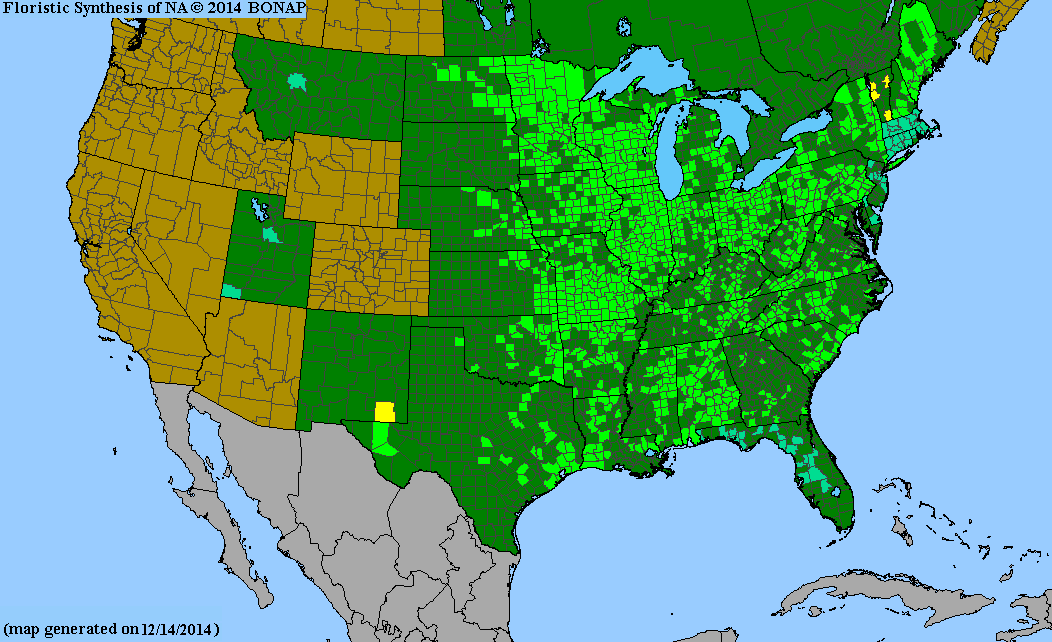
Origin: Garden origin. The species of P. virginiana is native to central and eastern part of USA and Canada, see the BONAP distribution map. Obedient plant is adaptable, but can be found where more moisture is profound - in moist to mesic black soil prairies, moist meadows, along rivers, in woodland edges and thickets, openings in the woods, in borders of lakes, seeps, limestone glades, wet ditches etc.
Black Walnut Tolerant: yes
Deer/Rabbit Resistant: yes / yes
Attracts Butterflies or Pollinators: yes - butterflies and moths / offers lots of nectar, bumblebees are the most important pollinators, followed by other long-tongued bees
Attracts Hummingbirds: yes
Pot Size: square 3.5" x 4" deep perennial pot
Plant combinations: Less aggressive than the species, but can spread into wide clumps. Flower beds, rain gardens, swales, pollinator gardens, cut flower gardens.
It's good to combine with other strong growing, robust and competitive native plants. Good companions can be Asclepias incarnata, Coreopsis tripteris, Chelone, Filipendula vulgaris, Helianthus, Helenium, Heliopsis, Iris (x lousiana, I. versicolor, I. virginica), Lysimachia, Mimulus, Phlox paniculata, Rudbeckia fulgida, Rudbeckia laciniata, Sanquisorba, Silphium, Solidago, Thalictrum, Veronicastrum and various sedges (Carex). Grass companions include Chasmantium, Panicum, Spartina pectinata.
Can be also used with mounding plants like Amsonia, Baptisia, bigger cultivars of Hemerocallis, HIbiscus (H. moscheutos, H. leavis, H. palustris).
Picture copyright: Agnieszka Kwiecień, Nova, Commons Wikipedia

Physostegia virginiana 'Variegata' - OBEDIENT PLANT 'VAREGATA'
$9.99
Details
Spreading cultivar with white variegated leaves.
Flowers still attract pollinators and even hummingbirds!
Blooming Time: early August to September
Size: 4' tall x 3' wide (with more moisture and nutrients even taller)
USDA Zones: 3 to 9
Culture: full sun to part sun are the best (tolerates half shade), very adaptable to variety of soils, average, clay, loam. Adapts to most pH. Too fertile soil can lead to flopping.
Moisture Needs: average (medium) to medium-moist
Origin: Garden origin. The species of P. virginiana is native to central and eastern part of USA and Canada, see the BONAP distribution map. Obedient plant is adaptable, but can be found where more moisture is profound - in moist to mesic black soil prairies, moist meadows, along rivers, in woodland edges and thickets, openings in the woods, in borders of lakes, seeps, limestone glades, wet ditches etc.
Black Walnut Tolerant: yes
Deer/Rabbit Resistant: yes / yes
Attracts Butterflies or Pollinators: yes - butterflies and moths / offers lots of nectar, bumblebees are the most important pollinators, followed by other long-tongued bees
Attracts Hummingbirds: yes
Pot Size: square 3.5" x 4" deep perennial pot
Plant combinations: Less aggressive than the species, but can spread into wide clumps. Flower beds, rain gardens, swales, pollinator gardens, cut flower gardens.
It's good to combine with other strong growing, robust and competitive native plants. Good companions can be Asclepias incarnata, Coreopsis tripteris, Chelone, Filipendula vulgaris, Helianthus, Helenium, Heliopsis, Iris (x lousiana, I. versicolor, I. virginica), Lysimachia, Mimulus, Phlox paniculata, Rudbeckia fulgida, Rudbeckia laciniata, Sanquisorba, Silphium, Solidago, Thalictrum, Veronicastrum and various sedges (Carex). Grass companions include Chasmantium, Panicum, Spartina pectinata.
Can be also used with mounding plants like Amsonia, Baptisia, bigger cultivars of Hemerocallis, HIbiscus (H. moscheutos, H. leavis, H. palustris).
Picture copyright: Agnieszka Kwiecień, Nova, Commons Wikipedia



Customer Reviews

Shipped With Care
Secure packaging for safe delivery
Nursery Grown Plants
Healthy, well-rooted perennials
Curated Plant Selection
Reliable performers for real gardens