


Zoom the image with the mouse
Rudbeckia triloba - BROWN-EYED SUSAN (small-flowering)
Product Code:
RUD-TRI-X
Shipping:
Calculated at Checkout
$8.49
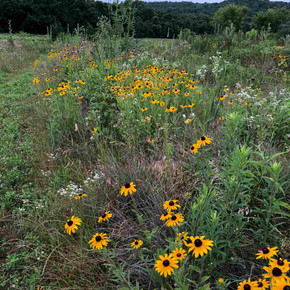
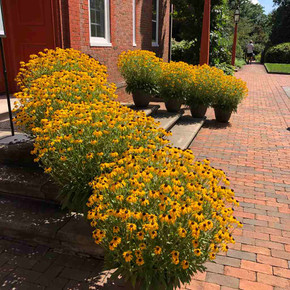
Shrubby-looking biennial or short-lived perennial that reseeds regularly. Airy habitus with hundreds of small, deep gold flowers! Tolerant of heat, humidity, some drought and shade, and adaptable to many types of soil. Georgia Gold Medal Winner in 1997. Highly recommended plant for home landscaping.
This easy-to-grow plant will bring lots of butterflies and bees. A native wildflower that is excellent in naturalized areas, wildflower meadows, prairies, cottage gardens, native plant gardens, pollinator gardens or butterfly gardens, but also in regular flower beds.
The best combinations are with purple or blue flower of Aster novae-angliae, Aster novi-belgii, Aster laevis and other blue asters, Eupatorium coelestinum (Conoclinum), Eupatorium purpureum, Vernonia. Other good combination include Echinacea purpuea, Phlox paniculata, or grasses like Panicum virgatum. Other good companions are annual sages (Salvia – with blue flowers), Salvia uliginosa, and Verbena bonariensis. Looks very good with grasses that will already have dry seed heads, like Stipa gigantea or Descchampsia caespitosa.
Also called three-lobed coneflower due to the shape of its leaves.
Blooming Time: August to October
Size: can grow up to 5’ tall x 3’ wide
USDA Zones: 3 to 9
Culture: full sun, half shade, up to light shade, likes fertile loamy soil with good moisture, but will tolerate some gravel or clay too. It is a moderately drought tolerant plant.
Moisture Needs: medium-dry, medium, medium-wet
Origin: native wildflower to states from New York to Minnesota and south to Utah and Texas. Grows naturally in both disturbed and high quality areas - black soil prairies, prairie remnants along railroads, thickets, savannas, meadows and openings in wooded areas, riverbanks, roadsides, and abandoned areas. See USDA distribution map.
Deer/Rabbit Resistant: partially resistant / partially resistant, can be occasionally browsed by herbivores
Attracts Butterflies or Pollinators: offer nectar and pollen to bumblebees and native bees (little carpenter bees, digger bees, cuckoo bees, leaf-cutting bees, Andrenid bees Halictid bees, including green metallic bees). Other visitors include Sphecid wasps, Vespid wasps, Syrphid flies, bee flies, thick-headed flies, Tachinid flies, small to medium-sized butterflies, and the common Goldenrod Soldier Beetle. Leaf beetles feed on the leaves and several moths feed on different parts of the plant, including the roots.
Attracts Hummingbirds: no
Pot Size: 3.5" x 4" perennial pot (1.22 pt/580 ml)

Rudbeckia triloba - BROWN-EYED SUSAN (small-flowering)
$8.49
Details
Shrubby-looking biennial or short-lived perennial that reseeds regularly. Airy habitus with hundreds of small, deep gold flowers! Tolerant of heat, humidity, some drought and shade, and adaptable to many types of soil. Georgia Gold Medal Winner in 1997. Highly recommended plant for home landscaping.
This easy-to-grow plant will bring lots of butterflies and bees. A native wildflower that is excellent in naturalized areas, wildflower meadows, prairies, cottage gardens, native plant gardens, pollinator gardens or butterfly gardens, but also in regular flower beds.
The best combinations are with purple or blue flower of Aster novae-angliae, Aster novi-belgii, Aster laevis and other blue asters, Eupatorium coelestinum (Conoclinum), Eupatorium purpureum, Vernonia. Other good combination include Echinacea purpuea, Phlox paniculata, or grasses like Panicum virgatum. Other good companions are annual sages (Salvia – with blue flowers), Salvia uliginosa, and Verbena bonariensis. Looks very good with grasses that will already have dry seed heads, like Stipa gigantea or Descchampsia caespitosa.
Also called three-lobed coneflower due to the shape of its leaves.
Blooming Time: August to October
Size: can grow up to 5’ tall x 3’ wide
USDA Zones: 3 to 9
Culture: full sun, half shade, up to light shade, likes fertile loamy soil with good moisture, but will tolerate some gravel or clay too. It is a moderately drought tolerant plant.
Moisture Needs: medium-dry, medium, medium-wet
Origin: native wildflower to states from New York to Minnesota and south to Utah and Texas. Grows naturally in both disturbed and high quality areas - black soil prairies, prairie remnants along railroads, thickets, savannas, meadows and openings in wooded areas, riverbanks, roadsides, and abandoned areas. See USDA distribution map.
Deer/Rabbit Resistant: partially resistant / partially resistant, can be occasionally browsed by herbivores
Attracts Butterflies or Pollinators: offer nectar and pollen to bumblebees and native bees (little carpenter bees, digger bees, cuckoo bees, leaf-cutting bees, Andrenid bees Halictid bees, including green metallic bees). Other visitors include Sphecid wasps, Vespid wasps, Syrphid flies, bee flies, thick-headed flies, Tachinid flies, small to medium-sized butterflies, and the common Goldenrod Soldier Beetle. Leaf beetles feed on the leaves and several moths feed on different parts of the plant, including the roots.
Attracts Hummingbirds: no
Pot Size: 3.5" x 4" perennial pot (1.22 pt/580 ml)


Customer Reviews

Shipped With Care
Secure packaging for safe delivery
Nursery Grown Plants
Healthy, well-rooted perennials
Curated Plant Selection
Reliable performers for real gardens