


Zoom the image with the mouse
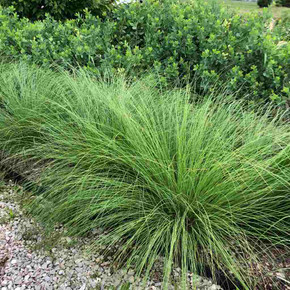
Sporobolus cryptandrus - SAND DROPSEED
Product Code:
SPO-CRY-XXX
Shipping:
Calculated at Checkout
$8.49
Clumping native grass for dry or sandy soils.
More or less unknown in horticulture (also new to us). or urban and naturalistic landscaping.
Blooming Time: summer - early fall
Size: 32" tall (with flowers) x 12-16" wide (the size depends on the site)
USDA Zones: 3 - 9
Culture: full sun, half sun, average free draining soil with tendencies to dry out, to dry soil, sandy soils, gritty soils
Moisture Needs: dry, medium-dry, if well drained also medium (average)
Origin: Most of USA and Canada, see the BONAP distribution map. Can be found in the roadsides, drier prairie, plains, meadows, pastures or savannas
Black Walnut Tolerant: yes
Deer/Rabbit Resistant: yes / yes
Attracts Butterflies or Pollinators: no, but provides nesting material for native bees (Xerxes).
Attracts Hummingbirds: no, but the seeds are Bobcat Quail
Pot Size: square 3.5" x 5" deep perennial pot
Plant Combinations: Diffinitely a grass for xeriscape, and maybe restoration project and erosion control on the dry or sandy soils, potentially perfect for extreme urban conditions, and could be used as one of the matrix grasses. Disturbed urban soils in traffic islands, green roofs, dry naturalistic gardens, aromatic gardens, dry or shortgrass inspired prairie gardens, etc.
Goes well with many native and non-native plants: Agastache, Artemisia, Asters, Baptisia, Catanache caerulea, Coreopsis, Eryngium, narrow-leaved Echinacea + hybrids, bearded Iris, Nepeta, Linum lewisii, Paeonia, Perovskia, Platycodon, Salvia, Sedum, Scabiosa, Stachys, Veronica spicata, Veronica incana and other shorter ones. And other drought resistant grasses like Muhlenbergia or Schizachyrium.
Picture copyright : Matt Lavin, Commons Wikimedia

Sporobolus cryptandrus - SAND DROPSEED
$8.49
Details
Clumping native grass for dry or sandy soils.
More or less unknown in horticulture (also new to us). or urban and naturalistic landscaping.
Blooming Time: summer - early fall
Size: 32" tall (with flowers) x 12-16" wide (the size depends on the site)
USDA Zones: 3 - 9
Culture: full sun, half sun, average free draining soil with tendencies to dry out, to dry soil, sandy soils, gritty soils
Moisture Needs: dry, medium-dry, if well drained also medium (average)
Origin: Most of USA and Canada, see the BONAP distribution map. Can be found in the roadsides, drier prairie, plains, meadows, pastures or savannas
Black Walnut Tolerant: yes
Deer/Rabbit Resistant: yes / yes
Attracts Butterflies or Pollinators: no, but provides nesting material for native bees (Xerxes).
Attracts Hummingbirds: no, but the seeds are Bobcat Quail
Pot Size: square 3.5" x 5" deep perennial pot
Plant Combinations: Diffinitely a grass for xeriscape, and maybe restoration project and erosion control on the dry or sandy soils, potentially perfect for extreme urban conditions, and could be used as one of the matrix grasses. Disturbed urban soils in traffic islands, green roofs, dry naturalistic gardens, aromatic gardens, dry or shortgrass inspired prairie gardens, etc.
Goes well with many native and non-native plants: Agastache, Artemisia, Asters, Baptisia, Catanache caerulea, Coreopsis, Eryngium, narrow-leaved Echinacea + hybrids, bearded Iris, Nepeta, Linum lewisii, Paeonia, Perovskia, Platycodon, Salvia, Sedum, Scabiosa, Stachys, Veronica spicata, Veronica incana and other shorter ones. And other drought resistant grasses like Muhlenbergia or Schizachyrium.
Picture copyright : Matt Lavin, Commons Wikimedia


.jpg)
Customer Reviews

Shipped With Care
Secure packaging for safe delivery
Nursery Grown Plants
Healthy, well-rooted perennials
Curated Plant Selection
Reliable performers for real gardens