


New

Zoom the image with the mouse
Eurybia hemispherica (Aster) - SOUTHERN PRAIRIE ASTER
Product Code:
AST-HEM
Shipping:
Calculated at Checkout
$7.99
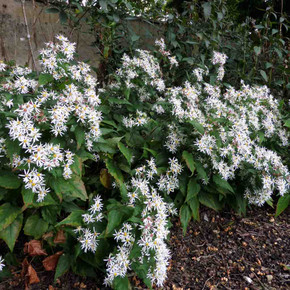
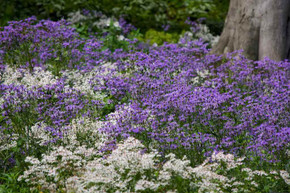
Earlier blooming fall aster for drier soil. Slowly forms wider clumps.
Purple-blue 1"+ flowers on wiry stems.
Blooming Time: June/July to July/August (depending on your zone and soils), flowers for about 3 weeks
Size: about 20" tall and wide, slowly spreading into wider clumps
USDA Zones: 5/6 to 9 (the hardiness is mentioned zone 6, but we find this plant very tough and hardy, especially on drained soil)
Culture: sun to partial sun to drier half shade, average to drained/drier soils, gritty rocky or sandy, average soils that tend to dry out fast (slopes, dry edges).
Moisture Needs: dry, medium-dry
Origin: native to AL, AR, FL, GA, KS, KY, LA, MO, MS, OK, TN, TX. Grows naturally in dry to mesic prairies, savannas, glades roadsides and other open habitats
Deer/Rabbit Resistant: not verified, most likely yes
Attracts Butterflies or Pollinators: yes/yes
Attracts Hummingbirds: no
Pot Size: square 3.5" x 4" perennial pot (1.22 pt/580 ml)
Pictures copyright: Mt. Cuba
Plant combinations: Sunny flower beds, pollinator gardens, butterfly gardens, dry slopes, sunny woodland edges. Good perennial combinations will be with smaller native perennials or nativars of Allium, Artemisia, Asclepias tuberosa, Blephillia ciliata, Dalea, Echinacea, Erigeron pulchellus, Euphorbia corollata, Coreopsis, Monarda bradburiana, Monarda punctata, Oenothera missouriensis, O. perennis, O. fruticosa, Penstemon hirsutus or other Penstemon species, Phlox subulata, Phlox bifida, Sisyrinchium and other shorter, drought tolerant perennials. From grasses choose Boutelloa gracilis, Koleria cristata, Muhlenbergia, smaller cultivars of Sporobolus, or non native Seslerias. Great non-native companions can be smaller Peonia, smaller Eryngium, bearded Iris, Lavandula, small Nepeta, Satureja, Thymus and many more drought tolerant plants.

Eurybia hemispherica (Aster) - SOUTHERN PRAIRIE ASTER
$7.99
Details
Earlier blooming fall aster for drier soil. Slowly forms wider clumps.
Purple-blue 1"+ flowers on wiry stems.
Blooming Time: June/July to July/August (depending on your zone and soils), flowers for about 3 weeks
Size: about 20" tall and wide, slowly spreading into wider clumps
USDA Zones: 5/6 to 9 (the hardiness is mentioned zone 6, but we find this plant very tough and hardy, especially on drained soil)
Culture: sun to partial sun to drier half shade, average to drained/drier soils, gritty rocky or sandy, average soils that tend to dry out fast (slopes, dry edges).
Moisture Needs: dry, medium-dry
Origin: native to AL, AR, FL, GA, KS, KY, LA, MO, MS, OK, TN, TX. Grows naturally in dry to mesic prairies, savannas, glades roadsides and other open habitats
Deer/Rabbit Resistant: not verified, most likely yes
Attracts Butterflies or Pollinators: yes/yes
Attracts Hummingbirds: no
Pot Size: square 3.5" x 4" perennial pot (1.22 pt/580 ml)
Pictures copyright: Mt. Cuba
Plant combinations: Sunny flower beds, pollinator gardens, butterfly gardens, dry slopes, sunny woodland edges. Good perennial combinations will be with smaller native perennials or nativars of Allium, Artemisia, Asclepias tuberosa, Blephillia ciliata, Dalea, Echinacea, Erigeron pulchellus, Euphorbia corollata, Coreopsis, Monarda bradburiana, Monarda punctata, Oenothera missouriensis, O. perennis, O. fruticosa, Penstemon hirsutus or other Penstemon species, Phlox subulata, Phlox bifida, Sisyrinchium and other shorter, drought tolerant perennials. From grasses choose Boutelloa gracilis, Koleria cristata, Muhlenbergia, smaller cultivars of Sporobolus, or non native Seslerias. Great non-native companions can be smaller Peonia, smaller Eryngium, bearded Iris, Lavandula, small Nepeta, Satureja, Thymus and many more drought tolerant plants.

Sold out

Customer Reviews

Shipped With Care
Secure packaging for safe delivery
Nursery Grown Plants
Healthy, well-rooted perennials
Curated Plant Selection
Reliable performers for real gardens