Sold out


Smaller clumping phlox with narrow leaves and hairy stems.
Excellent butterfly and native bee plant.
Usually pink, purple flower, slightly fragrant flowers.
Blooming Time: May, June, July (can rebloom some in the fall)
Size: usually 1-1.5' tall and 1' wide
USDA Zones: 3/4 to 9
Culture: full sun, partial sun, half shade. Adaptable to variety of soils - from those that contain some rocky material or sand, to clay or loam. Neutral to slightly acidic pH. Tolerates more dry soils than similar medium sized phlox (like Phlox carolina and it's hybrids). Average garden soils amended with some organic matter
Moisture Needs: medium-moist, medium, medium-dry, dry, adaptable
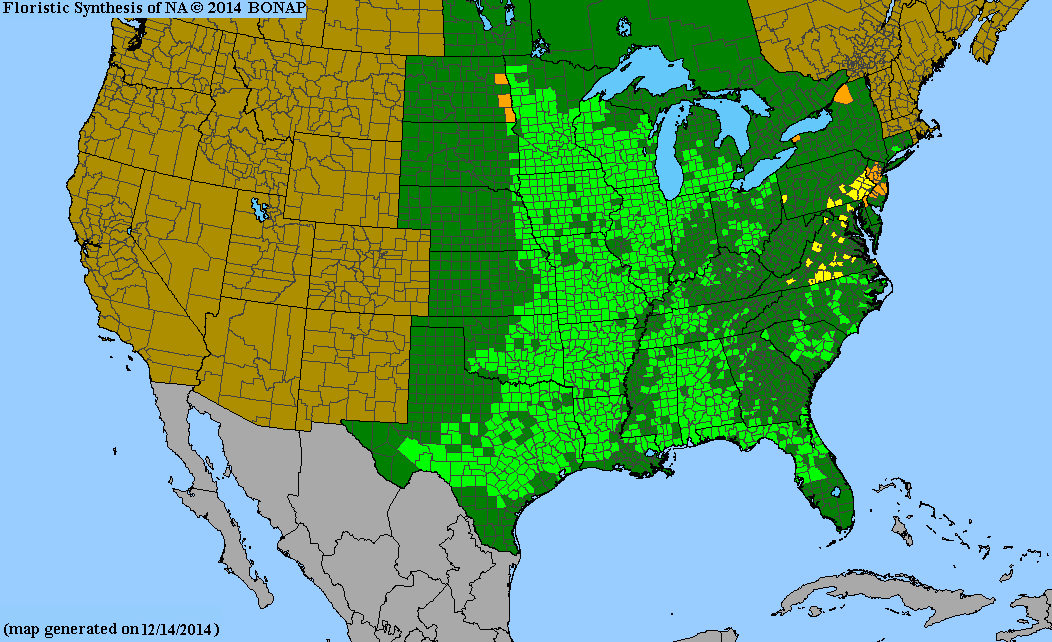
Origin: bigger part of eastern half of USA, see the BONAP distribution map. Often found in higher quality areas - from moist to mesic prairies (black soil prairies) and prairie remnants, meadows, sand hills, rocky open forests, Bur Oak savannas, sandy Black Oak savannas, limestone glades, thickets or abandoned fields. Benefits from the wildfires (that remove the debris). The USDA recognize many regional subspecies.
Deer/Rabbit Resistant: no / no (needs some protection)
Attracts Butterflies or Pollinators: primarily long-tongued bees - bumblebees, Anthophorine bees, little carpenter bees, (Ceratina spp.), cuckoo bees (Nomada spp.), and green metallic bees. Also butterflies (American Painted Lady, Sulfur butterflies, Swallowtail butterflies, Cloudywing skippers and some moths. The caterpillars of a Prairie Phlox Flower Moth, Spotted Straw) and Dark-spotted Straw Moth feed on the flowers and are developing seeds of Prairie Phlox. Other insects feed destructively - Phlox Plant Bug, Four-lined Plant Bu), aphid (Abstrusomyzus phloxae), stem-boring larvae of a long-horned beetle (Oberea flavipes).
Attracts Hummingbirds: no
Pot Size: square 3.5" x 4" deep pot
Plant combinations: Flower beds, rock gardens, smaller beds, butterfly gardens, native bee gardens, for naturalization. Due to it's adaptability to somewhat drier and somewhat more moist conditions, can be combined with many native and non-native perennials and grasses. Preferably with equally sized perennials, that will not smother it.
Picture copyright: Joshua Mayer, Commons Wikimedia
Plants ship in season based on weather and USDA zone timing.
If you have a preferred ship date or week, please include it in the Order Comments section during checkout. We will do our best to accommodate requests when possible.
Smaller clumping phlox with narrow leaves and hairy stems.
Excellent butterfly and native bee plant.
Usually pink, purple flower, slightly fragrant flowers.
Blooming Time: May, June, July (can rebloom some in the fall)
Size: usually 1-1.5' tall and 1' wide
USDA Zones: 3/4 to 9
Culture: full sun, partial sun, half shade. Adaptable to variety of soils - from those that contain some rocky material or sand, to clay or loam. Neutral to slightly acidic pH. Tolerates more dry soils than similar medium sized phlox (like Phlox carolina and it's hybrids). Average garden soils amended with some organic matter
Moisture Needs: medium-moist, medium, medium-dry, dry, adaptable
Origin: bigger part of eastern half of USA, see the BONAP distribution map. Often found in higher quality areas - from moist to mesic prairies (black soil prairies) and prairie remnants, meadows, sand hills, rocky open forests, Bur Oak savannas, sandy Black Oak savannas, limestone glades, thickets or abandoned fields. Benefits from the wildfires (that remove the debris). The USDA recognize many regional subspecies.
Deer/Rabbit Resistant: no / no (needs some protection)
Attracts Butterflies or Pollinators: primarily long-tongued bees - bumblebees, Anthophorine bees, little carpenter bees, (Ceratina spp.), cuckoo bees (Nomada spp.), and green metallic bees. Also butterflies (American Painted Lady, Sulfur butterflies, Swallowtail butterflies, Cloudywing skippers and some moths. The caterpillars of a Prairie Phlox Flower Moth, Spotted Straw) and Dark-spotted Straw Moth feed on the flowers and are developing seeds of Prairie Phlox. Other insects feed destructively - Phlox Plant Bug, Four-lined Plant Bu), aphid (Abstrusomyzus phloxae), stem-boring larvae of a long-horned beetle (Oberea flavipes).
Attracts Hummingbirds: no
Pot Size: square 3.5" x 4" deep pot
Plant combinations: Flower beds, rock gardens, smaller beds, butterfly gardens, native bee gardens, for naturalization. Due to it's adaptability to somewhat drier and somewhat more moist conditions, can be combined with many native and non-native perennials and grasses. Preferably with equally sized perennials, that will not smother it.
Picture copyright: Joshua Mayer, Commons Wikimedia