


Zoom the image with the mouse
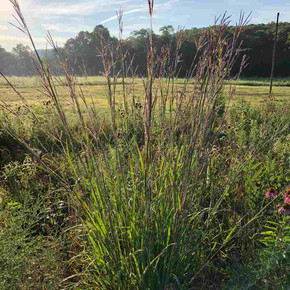
Schizachyrium scoparium 'Cinnamon Sticks' (Andropogon) - LITTLE BLUESTEM 'CINNAMON STICKS'
Product Code:
SCH-CIN-STI
Shipping:
Calculated at Checkout
$8.99
Little Bluestem 'Cinnamon Sticks' = very slender shape (good for narrow beds), bluish leaves for the most of the season, drastically changing towards the fall to deep cinnamon red colors.
Blooming Time: late summer to early fall (the fluffy seeds are ornamental and persist through most of the winter)
Size: 32-36" high x 24-26" wide.
USDA Zones: 3 to 9
Culture: Sun to half sun, adaptable to many soils including drier or clay soil. It will grow in any site except wet or extremely acidic soils or in deep shade. Neutral to slightly acidic pH is the best. Does well in heat and humidity.
Moisture Needs: average, medium to medium-dry, dry
Origin: introduced by Walters Gardens. The species of S. scoparium is native grass from Alberta to Quebec south to Arizona and Florida. It naturally occurs in prairies, clearings, hills, limestone glades, roadsides, waste areas and open woods.
Deer/Rabbit Resistant: yes/yes (but young leaves can be grazed by deer).
Attracts Butterflies or Pollinators: the species is a host plant for caterpillars of at least 6 species of skippers, 'Cinnamon Stick' may do it less due to the richer coloration. The seed provide food to a variety of small songbirds.
Attracts Hummingbirds: no
Pot Size: square 3.5" x 4" deep perennial pot
Picture Copyright: Walters Gardens
Plant combinations: grass for public spaces and private gardens, smaller garden (it's very narrow), borders, modern stylish plantings, wild gardens, naturalistic gardens, meadows or prairie-like landscaping. The best, if planted in smaller groups or masses (is small bed can be even one single plant). It look well with other grasses or combined with big flowers of Echinacea, Hemerocallis, Leucanthemum, Nipponanthemum, Ratibida, Rudbeckias or Heleniums or combined with bigger structures (bigger or bold leaves) like Paeonia, Iris (bearded, Siberian, Spuria Iris), Parthenium, Stachys, Silphium, and many others. Goes well with most common perennials - native and non-native.

Schizachyrium scoparium 'Cinnamon Sticks' (Andropogon) - LITTLE BLUESTEM 'CINNAMON STICKS'
$8.99
Details
Little Bluestem 'Cinnamon Sticks' = very slender shape (good for narrow beds), bluish leaves for the most of the season, drastically changing towards the fall to deep cinnamon red colors.
Blooming Time: late summer to early fall (the fluffy seeds are ornamental and persist through most of the winter)
Size: 32-36" high x 24-26" wide.
USDA Zones: 3 to 9
Culture: Sun to half sun, adaptable to many soils including drier or clay soil. It will grow in any site except wet or extremely acidic soils or in deep shade. Neutral to slightly acidic pH is the best. Does well in heat and humidity.
Moisture Needs: average, medium to medium-dry, dry
Origin: introduced by Walters Gardens. The species of S. scoparium is native grass from Alberta to Quebec south to Arizona and Florida. It naturally occurs in prairies, clearings, hills, limestone glades, roadsides, waste areas and open woods.
Deer/Rabbit Resistant: yes/yes (but young leaves can be grazed by deer).
Attracts Butterflies or Pollinators: the species is a host plant for caterpillars of at least 6 species of skippers, 'Cinnamon Stick' may do it less due to the richer coloration. The seed provide food to a variety of small songbirds.
Attracts Hummingbirds: no
Pot Size: square 3.5" x 4" deep perennial pot
Picture Copyright: Walters Gardens
Plant combinations: grass for public spaces and private gardens, smaller garden (it's very narrow), borders, modern stylish plantings, wild gardens, naturalistic gardens, meadows or prairie-like landscaping. The best, if planted in smaller groups or masses (is small bed can be even one single plant). It look well with other grasses or combined with big flowers of Echinacea, Hemerocallis, Leucanthemum, Nipponanthemum, Ratibida, Rudbeckias or Heleniums or combined with bigger structures (bigger or bold leaves) like Paeonia, Iris (bearded, Siberian, Spuria Iris), Parthenium, Stachys, Silphium, and many others. Goes well with most common perennials - native and non-native.
Customer Reviews

Shipped With Care
Secure packaging for safe delivery
Nursery Grown Plants
Healthy, well-rooted perennials
Curated Plant Selection
Reliable performers for real gardens