Sold out


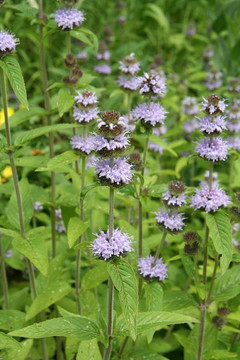
Scutellaria incana features strong, upright growth with eye-catching, deep-blue flowers, making it an excellent choice for the sunny to light shade garden.
Tough, very adaptable (light, soils) and fully deer and rabbit resistant.
Blooming Time: early summer to mid summer (in our zone 6 in south central Indiana from end of May till mid July)
Size: size depends on the growing conditions. The average size in average conditions is about 2.5' tall ad 1.5-2' wide.
USDA Zones: 4 to 9
Culture: from full sun to dappled lighter shade, very adaptable to light and soil conditions - from average soils, to well drained soils with tendencies to dry out fast, to slightly moist soils or even clay-ish soils.
Moisture Needs: dry, medium-dry, average (medium), medium-moist. Established plants are drought tolerant.
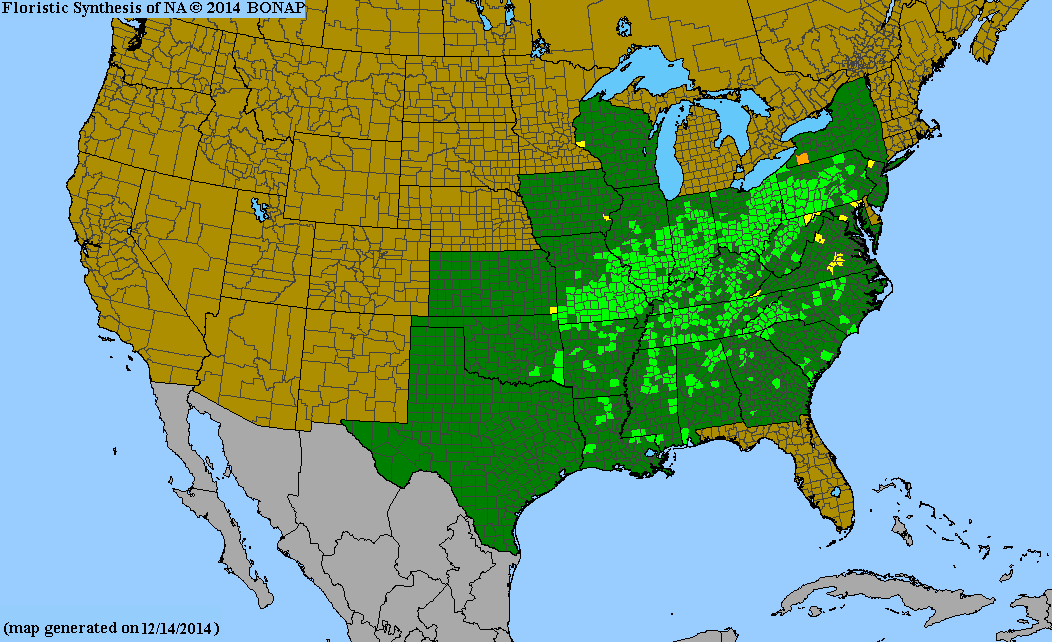
Origin: Discovered and introduced by the famous Midwestern plantsman Henry Eilers - found in an open woodland clearing in Illinois. This white form is clonally propagated (cuttings). Scutellaria incana is native to Central and eastern United States, where can be found on various sites in dry to open woods, clearings, sunny meadows and edges, woodland slopes, along streams or roadsides. Often on in well-drained, average to dryish soils, including sand and clay. See the BONAP distribution map.
Deer/Rabbit Resistant: yes, unpalatable (bitter)
Attracts Butterflies or Pollinators: not as much / yes, primarily bumblebees (offers nectar and pollen). Less common visitors are bee flies, skippers, or small butterflies.
Attracts Hummingbirds: yes
Pot Size: square 3.5" x 4" deep perennial pot
Plant combinations: For flower beds, cottage gardens, pollinator gardens, low maintenance gardens, wildflower gardens, prairies, meadows, naturalization in a woodland garden or edges, moon gardens. Due to it's adaptability to light and moisture conditions goes well with majority of common native and non-native perennials and grasses (and sedges).
Scutellaria incana features strong, upright growth with eye-catching, deep-blue flowers, making it an excellent choice for the sunny to light shade garden.
Tough, very adaptable (light, soils) and fully deer and rabbit resistant.
Blooming Time: early summer to mid summer (in our zone 6 in south central Indiana from end of May till mid July)
Size: size depends on the growing conditions. The average size in average conditions is about 2.5' tall ad 1.5-2' wide.
USDA Zones: 4 to 9
Culture: from full sun to dappled lighter shade, very adaptable to light and soil conditions - from average soils, to well drained soils with tendencies to dry out fast, to slightly moist soils or even clay-ish soils.
Moisture Needs: dry, medium-dry, average (medium), medium-moist. Established plants are drought tolerant.
Origin: Discovered and introduced by the famous Midwestern plantsman Henry Eilers - found in an open woodland clearing in Illinois. This white form is clonally propagated (cuttings). Scutellaria incana is native to Central and eastern United States, where can be found on various sites in dry to open woods, clearings, sunny meadows and edges, woodland slopes, along streams or roadsides. Often on in well-drained, average to dryish soils, including sand and clay. See the BONAP distribution map.
Deer/Rabbit Resistant: yes, unpalatable (bitter)
Attracts Butterflies or Pollinators: not as much / yes, primarily bumblebees (offers nectar and pollen). Less common visitors are bee flies, skippers, or small butterflies.
Attracts Hummingbirds: yes
Pot Size: square 3.5" x 4" deep perennial pot
Plant combinations: For flower beds, cottage gardens, pollinator gardens, low maintenance gardens, wildflower gardens, prairies, meadows, naturalization in a woodland garden or edges, moon gardens. Due to it's adaptability to light and moisture conditions goes well with majority of common native and non-native perennials and grasses (and sedges).
Great looking plants! Will order from US Perennials Nursery again.