

New

Zoom the image with the mouse
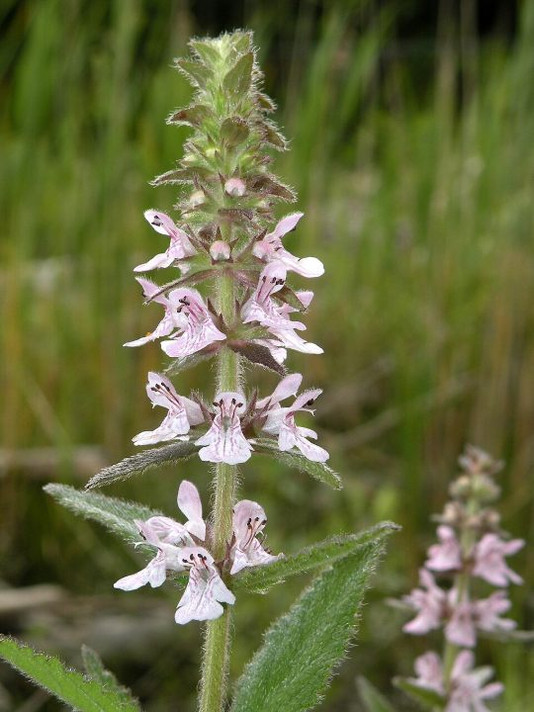
Stachys arenicola (syn. S. pilosa var. arenicola) - SAND HEDGENETTLE
Product Code:
STA-ARE-X
Shipping:
Calculated at Checkout
$8.49
Native wildflower with great ecological value for variety of native bees.
Deer resistant, heat and humidity tolerant.
Pinkish flowers, somewhat hairy leaves and stems.
Spreads by rhizomes and is suitable for more wild areas or wilder part of gardens, where it can spread.
Blooming Time: June-July-August
Size: 3.5-4' tall and spreading wide into loose colonies
USDA Zones: 4 to 9
Culture: full sun to light shade, average soils, clay, waterlogged soils
Moisture Needs: average (medium), medium-moist, wet
Origin: most of USA and Canada, except the deep south. Often it's found in moist places along the roads, upper streams, marshes, moist prairie or meadows, often on loamy or sandy soils. See the BONAP distribution map.
Deer/Rabbit Resistant: yes / yes (bitter and hairy = not palatable)
Attracts Butterflies or Pollinators:offers nectar to many native bees = the main pollinators (bumblebees, leaf-cutting bees, digger bees little bees, little carpenter bees, Anthophorid bees). Ocassionaly is visited by butterflies, skippers, and moths (less effective pollinators).
Attracts Hummingbirds: no
Pot Size: square 3.5" x 4" deep perennial pot
Plant combinations: Best in naturalistic settings - for erosion control, larger wild gardens, pollinator gardens, wildlife gardens, naturalization, water bodies banks, woodland edges, big rain gardens, swales etc. Goes well with Agastache, Asclepias incarnata, Chelone, Eupatorium, Filipendula rubra, tall Phloxes, Physostegia, Rudbeckia (R. fulgida, R. triloba, R. nitida), Silphiums, Veronicastrum, grasses Panicum virgatum and many others.
Picture copyright: Dough McGrady, Commons Wikimedia

Stachys arenicola (syn. S. pilosa var. arenicola) - SAND HEDGENETTLE
$8.49
Details
Native wildflower with great ecological value for variety of native bees.
Deer resistant, heat and humidity tolerant.
Pinkish flowers, somewhat hairy leaves and stems.
Spreads by rhizomes and is suitable for more wild areas or wilder part of gardens, where it can spread.
Blooming Time: June-July-August
Size: 3.5-4' tall and spreading wide into loose colonies
USDA Zones: 4 to 9
Culture: full sun to light shade, average soils, clay, waterlogged soils
Moisture Needs: average (medium), medium-moist, wet
Origin: most of USA and Canada, except the deep south. Often it's found in moist places along the roads, upper streams, marshes, moist prairie or meadows, often on loamy or sandy soils. See the BONAP distribution map.
Deer/Rabbit Resistant: yes / yes (bitter and hairy = not palatable)
Attracts Butterflies or Pollinators:offers nectar to many native bees = the main pollinators (bumblebees, leaf-cutting bees, digger bees little bees, little carpenter bees, Anthophorid bees). Ocassionaly is visited by butterflies, skippers, and moths (less effective pollinators).
Attracts Hummingbirds: no
Pot Size: square 3.5" x 4" deep perennial pot
Plant combinations: Best in naturalistic settings - for erosion control, larger wild gardens, pollinator gardens, wildlife gardens, naturalization, water bodies banks, woodland edges, big rain gardens, swales etc. Goes well with Agastache, Asclepias incarnata, Chelone, Eupatorium, Filipendula rubra, tall Phloxes, Physostegia, Rudbeckia (R. fulgida, R. triloba, R. nitida), Silphiums, Veronicastrum, grasses Panicum virgatum and many others.
Picture copyright: Dough McGrady, Commons Wikimedia



,_West_Hartford,_VT_(35971847771).jpg)
Customer Reviews

Shipped With Care
Secure packaging for safe delivery
Nursery Grown Plants
Healthy, well-rooted perennials
Curated Plant Selection
Reliable performers for real gardens