

Tradescantia occidentalis - PRAIRIE SPIDERWORT (for dry to average soils)
Long blooming, drought and heat tolerant spiderwort with blue-purple flowers and gray-green leaves.
Blooming Time: late May - early July
Size: 2' tall x 1-1.5' wide (in rich soil up to 3')
USDA Zones: 3 to 9
Culture: full sun to partial shade; adaptable to all soil types of all pH (average, dry clay, loam, sand, gravelly soils)
Moisture Needs: dry, medium-dry, medium
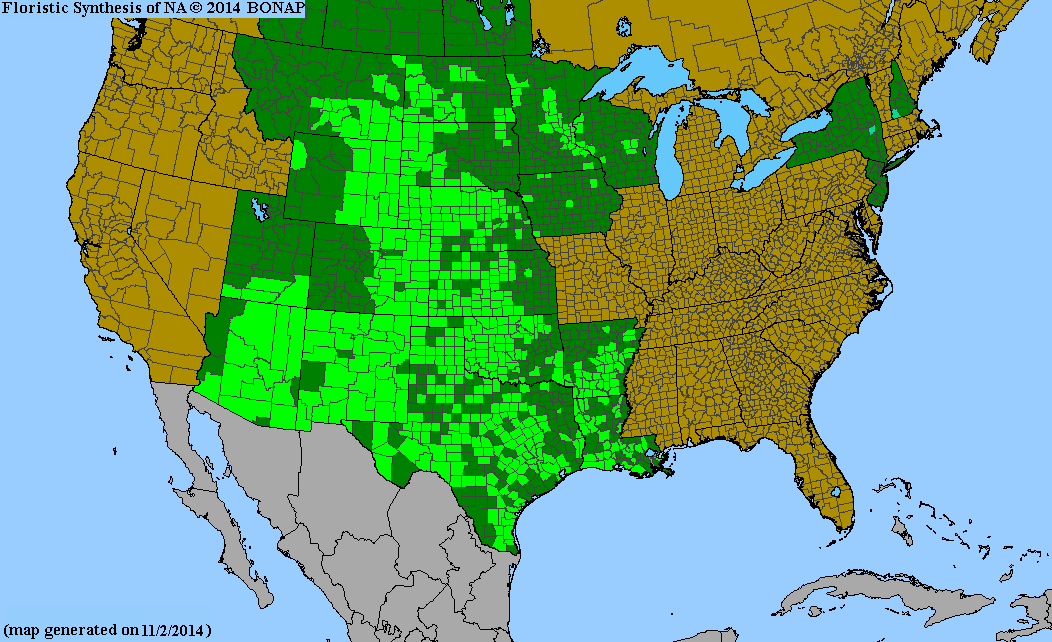
Origin: native to central North America, see the BONAP distribution map. Can be found in prairies, meadows, pastures, savannas, openings in the woods, on edges. Often found on sandy, sandy-loam, or drier soil.
Deer/Rabbit Resistant: no / no
Attracts Butterflies or Pollinators: yes / yes
Attracts Hummingbirds: no
Pot Size: square 3.5" x 4' deep perennial pot
Plant Combinations: naturalistic garden design, prairie-style plantings, low-maintenance gardens, pollinator gardens, cottage gardens, rain gardens, and naturalization in meadows, woodland edges, and open woods. Can be combined with many native perennials, nativars and grasses
Picture Copyright: Cleome serrulata, Wikimeda Commons

Tradescantia occidentalis - PRAIRIE SPIDERWORT (for dry to average soils)


Long blooming, drought and heat tolerant spiderwort with blue-purple flowers and gray-green leaves.
Blooming Time: late May - early July
Size: 2' tall x 1-1.5' wide (in rich soil up to 3')
USDA Zones: 3 to 9
Culture: full sun to partial shade; adaptable to all soil types of all pH (average, dry clay, loam, sand, gravelly soils)
Moisture Needs: dry, medium-dry, medium
Origin: native to central North America, see the BONAP distribution map. Can be found in prairies, meadows, pastures, savannas, openings in the woods, on edges. Often found on sandy, sandy-loam, or drier soil.
Deer/Rabbit Resistant: no / no
Attracts Butterflies or Pollinators: yes / yes
Attracts Hummingbirds: no
Pot Size: square 3.5" x 4' deep perennial pot
Plant Combinations: naturalistic garden design, prairie-style plantings, low-maintenance gardens, pollinator gardens, cottage gardens, rain gardens, and naturalization in meadows, woodland edges, and open woods. Can be combined with many native perennials, nativars and grasses
Picture Copyright: Cleome serrulata, Wikimeda Commons