


Zoom the image with the mouse
Eupatorium rugosum (Ageratina altissima) - WHITE SNAKEROOT
Product Code:
EUP-RUG-X
Shipping:
Calculated at Checkout
$7.99
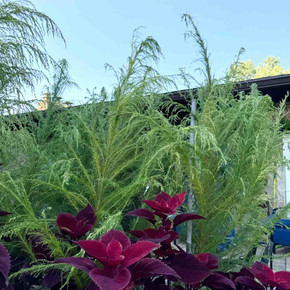
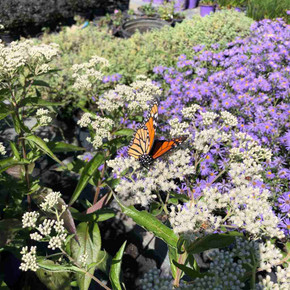
White snakeroot is one of the latest flowering wildflowers in the Midwest, providing an important late source of nectar and pollen for insects. It is quite common in some areas, bearing clusters of white flowers from early fall until regular frosts. The blooms are followed by fluffy seeds (cut back if seedlings are not wanted).
This Eupatorium is one of the most shade-tolerant of all the Eupatoriums (the newer name for which is Ageratina). Adaptable plant; tolerant to clay soil and some droughts too. Excellent for pollinators.
It is deer and rabbit resistant because of its bitter taste and the fact that it is poisonous to mammals. In 1818, Abraham Lincoln's mother was fatally poisoned by this plant via so-called "milk sickness," which occurs when a cow's milk becomes contaminated after it consumes snakeroot; this was a fairly common problem in the 19th century, as many migrants from the Eastern U.S. didn't know the effects of this Midwestern plant and thus didn't understand the cause of milk sickness. All parts of the plant are highly toxic to humans if directly ingested.
Best for naturalistic plantings, naturalization, woodland gardens, under the canopy of bigger deciduous trees, or in pollinator and butterfly gardens.
Picture copyright: US Perennials nursery
Blooming Time: September till regular frosts begin
Size: usually around 3' tall x 2' wide (can reach 5' x 4')
USDA Zones: 3 to 8
Culture: full sun, half shade, light or dappled shade; average, drained, heavier, and sandy soils. Tolerates clay.
Moisture Needs:
Origin: wildflower found in the whole eastern half of the USA (see USDA distribution map), usually found growing in organic rich soils, thickets, wood margins, rocky woods and other rocky areas
Deer/Rabbit Resistant: yes / yes
Attracts Butterflies or Pollinators: native bees, moths, butterfly, pollinating flies. Host plant for some insect's caterpillars.
Attracts Hummingbirds: no
Pot Size: square 3.5" x 4" deep perennial pot

Eupatorium rugosum (Ageratina altissima) - WHITE SNAKEROOT
$7.99
Details
White snakeroot is one of the latest flowering wildflowers in the Midwest, providing an important late source of nectar and pollen for insects. It is quite common in some areas, bearing clusters of white flowers from early fall until regular frosts. The blooms are followed by fluffy seeds (cut back if seedlings are not wanted).
This Eupatorium is one of the most shade-tolerant of all the Eupatoriums (the newer name for which is Ageratina). Adaptable plant; tolerant to clay soil and some droughts too. Excellent for pollinators.
It is deer and rabbit resistant because of its bitter taste and the fact that it is poisonous to mammals. In 1818, Abraham Lincoln's mother was fatally poisoned by this plant via so-called "milk sickness," which occurs when a cow's milk becomes contaminated after it consumes snakeroot; this was a fairly common problem in the 19th century, as many migrants from the Eastern U.S. didn't know the effects of this Midwestern plant and thus didn't understand the cause of milk sickness. All parts of the plant are highly toxic to humans if directly ingested.
Best for naturalistic plantings, naturalization, woodland gardens, under the canopy of bigger deciduous trees, or in pollinator and butterfly gardens.
Picture copyright: US Perennials nursery
Blooming Time: September till regular frosts begin
Size: usually around 3' tall x 2' wide (can reach 5' x 4')
USDA Zones: 3 to 8
Culture: full sun, half shade, light or dappled shade; average, drained, heavier, and sandy soils. Tolerates clay.
Moisture Needs:
Origin: wildflower found in the whole eastern half of the USA (see USDA distribution map), usually found growing in organic rich soils, thickets, wood margins, rocky woods and other rocky areas
Deer/Rabbit Resistant: yes / yes
Attracts Butterflies or Pollinators: native bees, moths, butterfly, pollinating flies. Host plant for some insect's caterpillars.
Attracts Hummingbirds: no
Pot Size: square 3.5" x 4" deep perennial pot


Customer Reviews

Shipped With Care
Secure packaging for safe delivery
Nursery Grown Plants
Healthy, well-rooted perennials
Curated Plant Selection
Reliable performers for real gardens